


Higher milk components deliver bigger paychecks for dairy farms
Higher milk components deliver bigger paychecks for dairy farms

Colleen Kottke, Wisconsin State FarmerMon, September 28, 2026 at 10:00 AM UTC
0
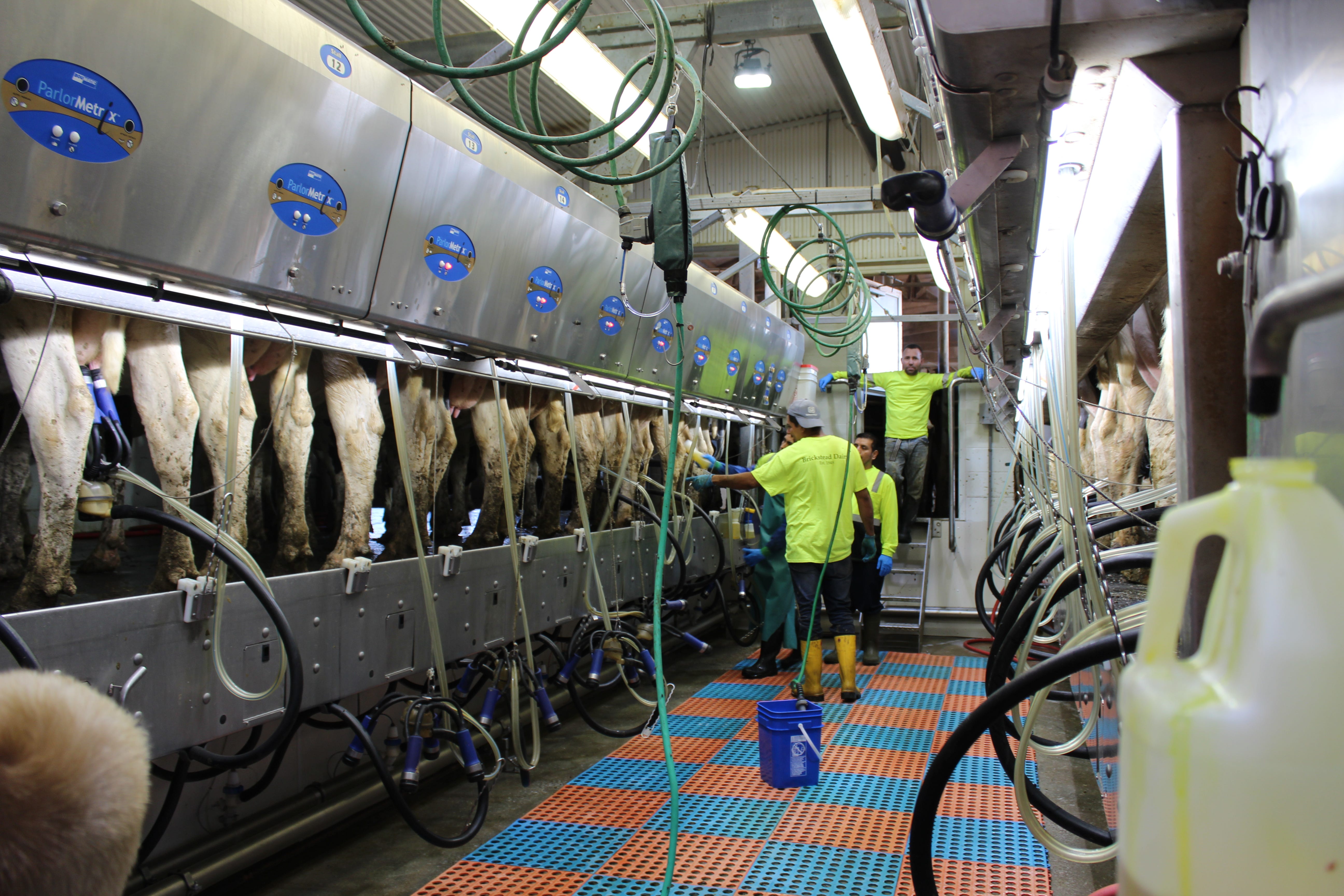
A new report from CoBank found dairy herds in the top 10% for milk components earned substantially more revenue per cow than lower-component herds, highlighting the increasing value of butterfat and protein in today's dairy marketplace.
According to the analysis, top-decile herds earned an additional $101 to $352 per cow annually at average U.S. production levels. At higher production levels, that advantage increased to $136 to $474 per cow.
"For a 100-cow dairy, that's an extra $34,558 in annual income, and for a 1,000-cow dairy, it represents more than $345,000 of additional revenue," said Corey Geiger, lead dairy economist with CoBank.

The findings reflect a major shift in the dairy industry. More than 80% of farmgate milk now goes into manufactured dairy products such as cheese, yogurt, butter and cottage cheese rather than fluid milk. As a result, butterfat and protein have become the primary drivers of milk check revenue.
Milk pricing has evolved alongside changing consumer demand. Today, more than 90% of the U.S. milk supply is priced using butterfat, protein and other solids under multiple component pricing systems, making component production increasingly important to dairy profitability.
For Wisconsin producers, the report's findings are especially relevant. The Upper Midwest Federal Milk Marketing Order showed some of the largest opportunities for increasing milk check revenue through improved component levels. At average production levels, higher-component herds in the region earned about $257 more per cow annually than lower-component herds. At 33,000 pounds of milk per cow, the advantage widened to nearly $346 per cow.
Advertisement
Abbi Groves, agricultural commodities economist with CoBank, said significant differences remain between top-performing and lower-performing herds.
"In the Upper Midwest FMMO, average 2025 component levels were 4.37% butterfat and 3.33% protein, but the gap between the highest- and lowest-component herds remains substantial," Groves said. "That spread shows the opportunity for producers to increase revenue by producing more butterfat and protein."
Processors are also playing a role by creating incentives for additional solids production. Some dairy companies have begun incorporating whey protein concentrate and whey protein isolate values into milk check formulas, providing producers with additional opportunities to capture value beyond federal order minimums.
The report notes that the industry's traditional benchmark of rolling herd average may no longer tell the full story of dairy profitability. As component values continue to grow, economists suggest producers place greater emphasis on pounds of butterfat and protein produced, not simply pounds of milk shipped.
With consumer demand continuing to favor cheese, butter and other manufactured dairy products, CoBank expects milk components to remain a key driver of dairy farm revenue and processor demand in the years ahead.
This article originally appeared on Wisconsin State Farmer: Higher milk components deliver bigger paychecks for dairy farms
Source: “AOL Money”
