


Jewels of French art drowned out by dross
Jewels of French art drowned out by dross

Alastair SookeMon, September 28, 2026 at 10:01 AM UTC
0
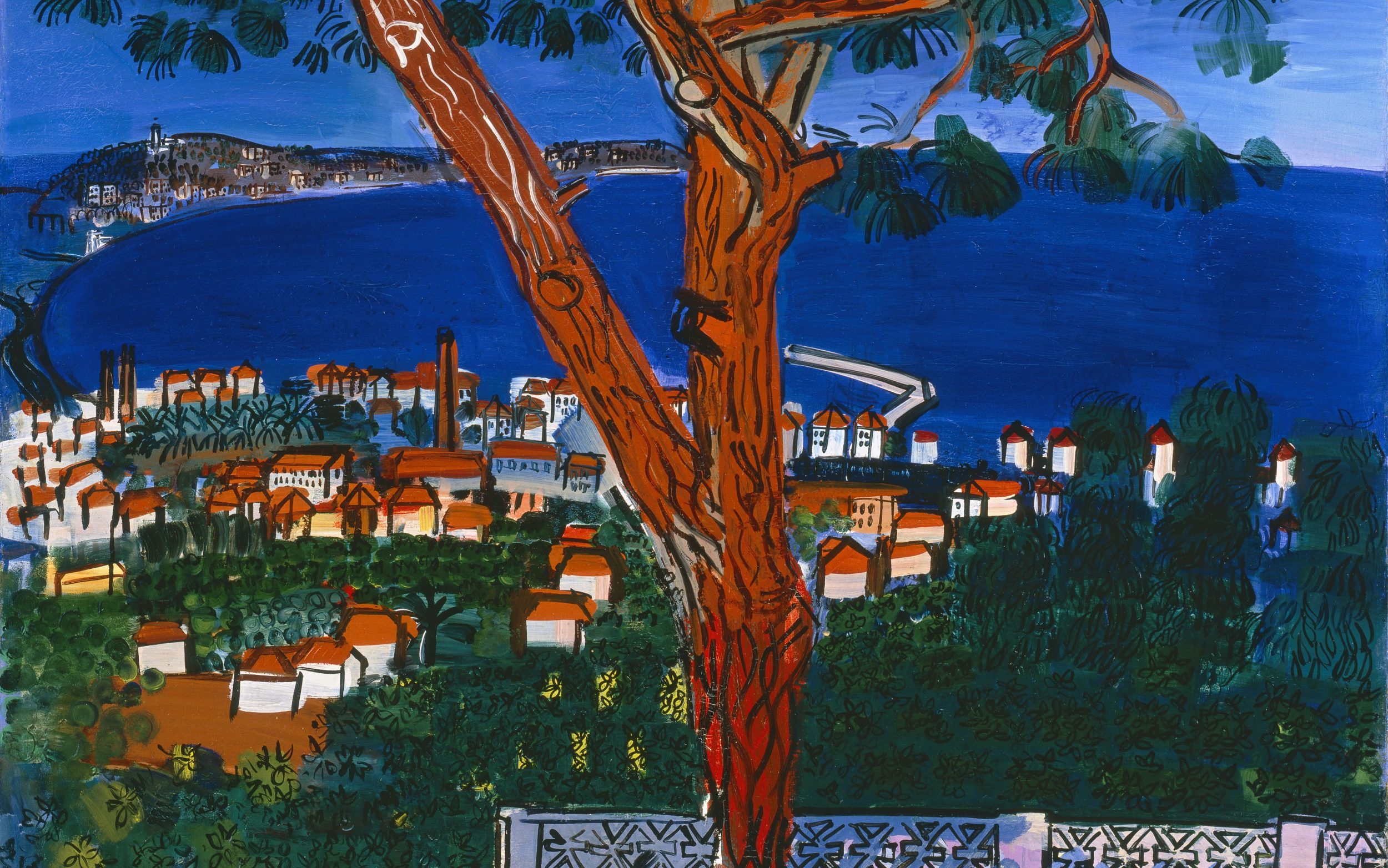
‘Incapable of painting anything but modernist cliché‘: Raoul Dufy’s Golfe Juan (1927)As autumn turns to winter, this escapist new exhibition at the Royal Academy should provide a lot of pleasure: it’s packed with uplifting, sun-soaked pictures of radiant Mediterranean vistas. Yet, Painting the French Riviera also contains some duds. What’s more, it’s blighted by padding, including a gallery of books and travel posters, and peculiar curatorial choices – such as the decision to paint the walls of the main galleries at Burlington House various shades of blue. They jar with the surrounding architecture and risk annihilating even the strongest works on display.
As autumn turns to winter, this escapist new exhibition at the Royal Academy should provide a lot of pleasure: it’s packed with uplifting, sun-soaked pictures of radiant Mediterranean vistas. Yet, Painting the French Riviera also contains some duds. What’s more, it’s blighted by padding, including a gallery of books and travel posters, and peculiar curatorial choices – such as the decision to paint the walls of the main galleries at Burlington House various shades of blue. They jar with the surrounding architecture and risk annihilating even the strongest works on display.
Today we take it for granted that the south of France is synonymous with hedonism. In a sense, though, its Riviera is a recent invention: the phrase “Côte d’Azur” was a 19th-century coinage. Visual artists didn’t really visit this stretch of the coast until the 1880s, when Claude Monet started painting Antibes, which he described as “a small, fortified town, baked to a golden crust by the sun”. Within a generation, though, the French Riviera had become an essential destination for the avant-garde and the beau monde. Their passage south was eased from 1922 by the “Train Bleu” express railway service which ran all the way down from Calais.
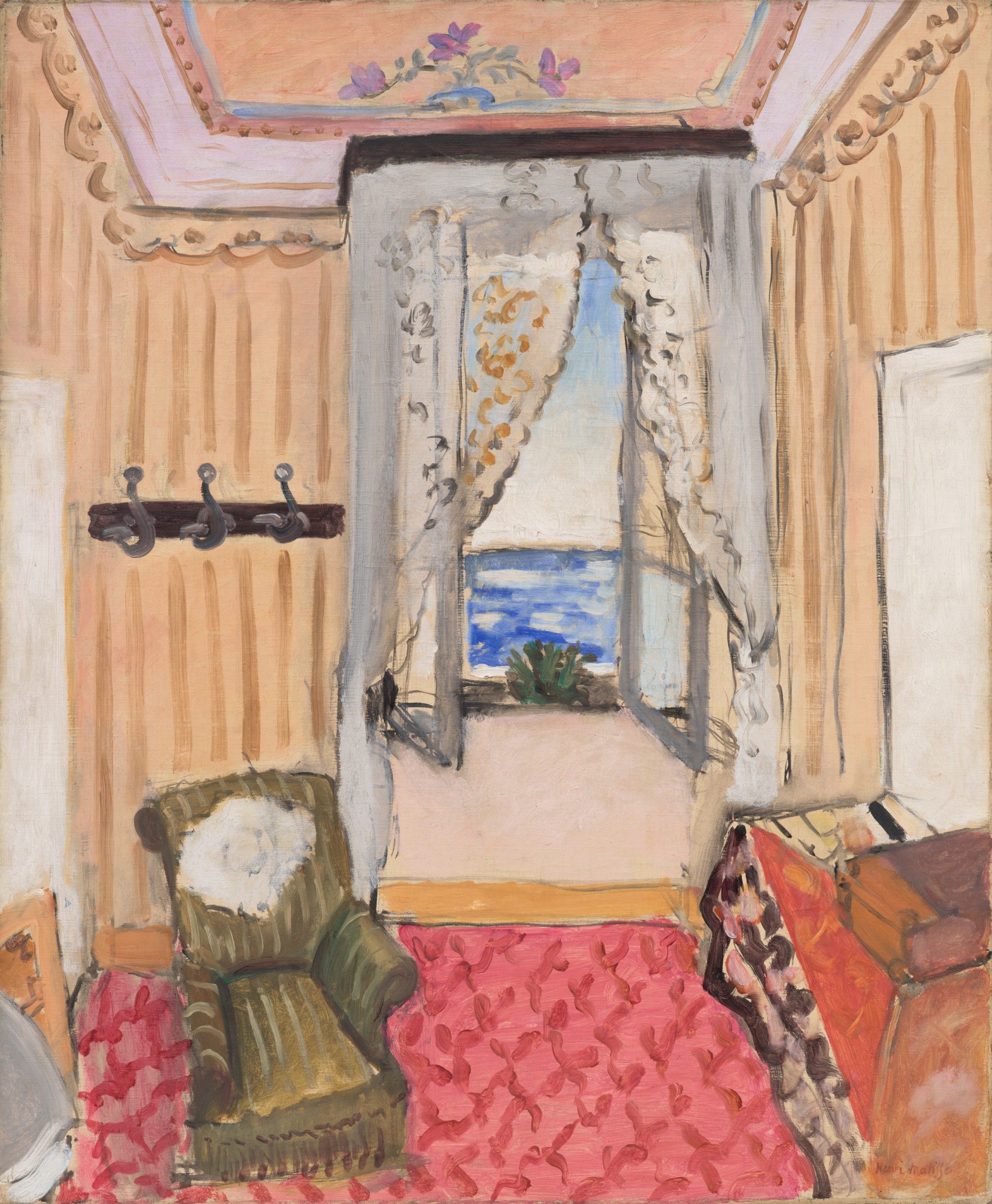
Henri Matisse, Interior at Nice (Room at Beau-Rivage), 1917-1918
By then, Henri Matisse was based mostly in Nice – although his glorious late paper cut-outs are almost entirely excluded from the show’s narrative. (Several were requested, but could not be lent.) After the Second World War, Pablo Picasso, who savoured the area’s associations with antiquity, also settled there. A brilliant painting by him from 1958 records high-rise developments encroaching on the bay of Cannes. It dazzles, in part, because it defies expectations.
Advertisement
An inadvertent revelation of this exhibition, neatly organised by curator Ann Dumas, is how rapidly formulaic artistic visions of the French Riviera became. Paul Signac’s Storm at Saint-Tropez (1895) looks too dry and tame. Raoul Dufy became incapable of painting anything but modernist cliché. And on the evidence of this show, Marc Chagall, although much loved, should be downgraded to second-rate. The tiny dots of colour favoured by all the Neo-Impressionists – which, we’re told, supposedly captured the region’s luminosity – appear stiff and mannered, an academic affectation. The work of Nicolas de Staël is criminally drab.
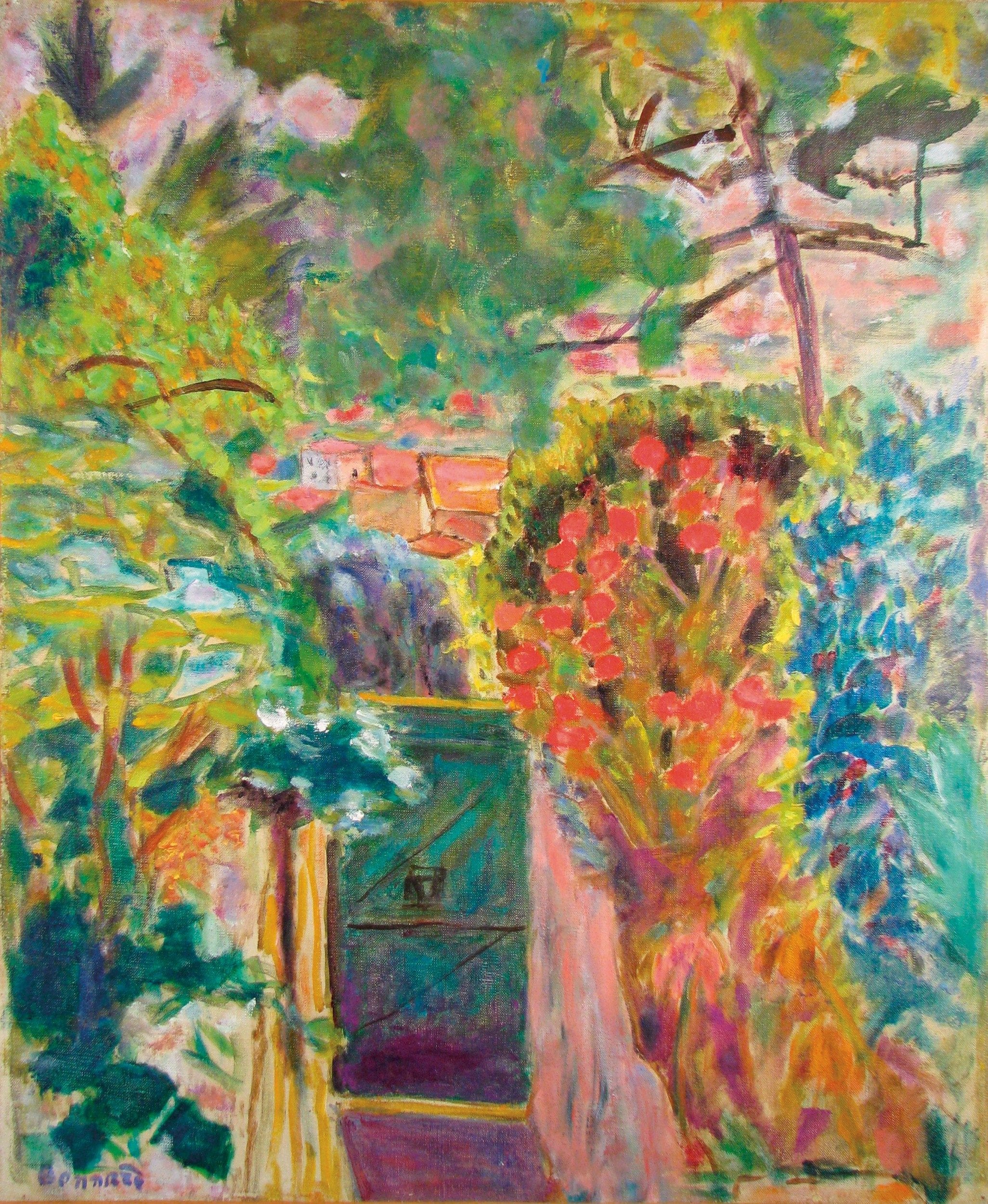
Pierre Bonnard, The Gate of the Villa du Bosquet in Le Cannet (1944)
Still, if you can look past this, there is also plenty to admire, including the explosive innovations of the Fauves (including pre-Cubist Georges Braque, as well as Matisse and André Derain). On loan from a private collection, The Red Beach (1905) by Matisse is one of several superb paintings in the show that I would kill to own.
The standout gallery is devoted to Pierre Bonnard, who, in 1926, bought a secluded hillside villa in Le Cannet, overlooking Cannes. His glowing yet melancholic, complexly choreographed paintings, including one that depicts a seemingly magical, prismatic cascade of (probably) yellow mimosa, are sensational – and, crucially, cliché-free.
Royal Academy of Arts, London W1, from Oct 2
Source: “AOL Entertainment”
