


The 'very bad' Hitchcock movie that has been lost to time—and more little-known facts about the iconic director
The 'very bad' Hitchcock movie that has been lost to time—and more little-known facts about the iconic director

Ellen Wulfhorst Tue, September 29, 2026 at 7:45 PM UTC
0
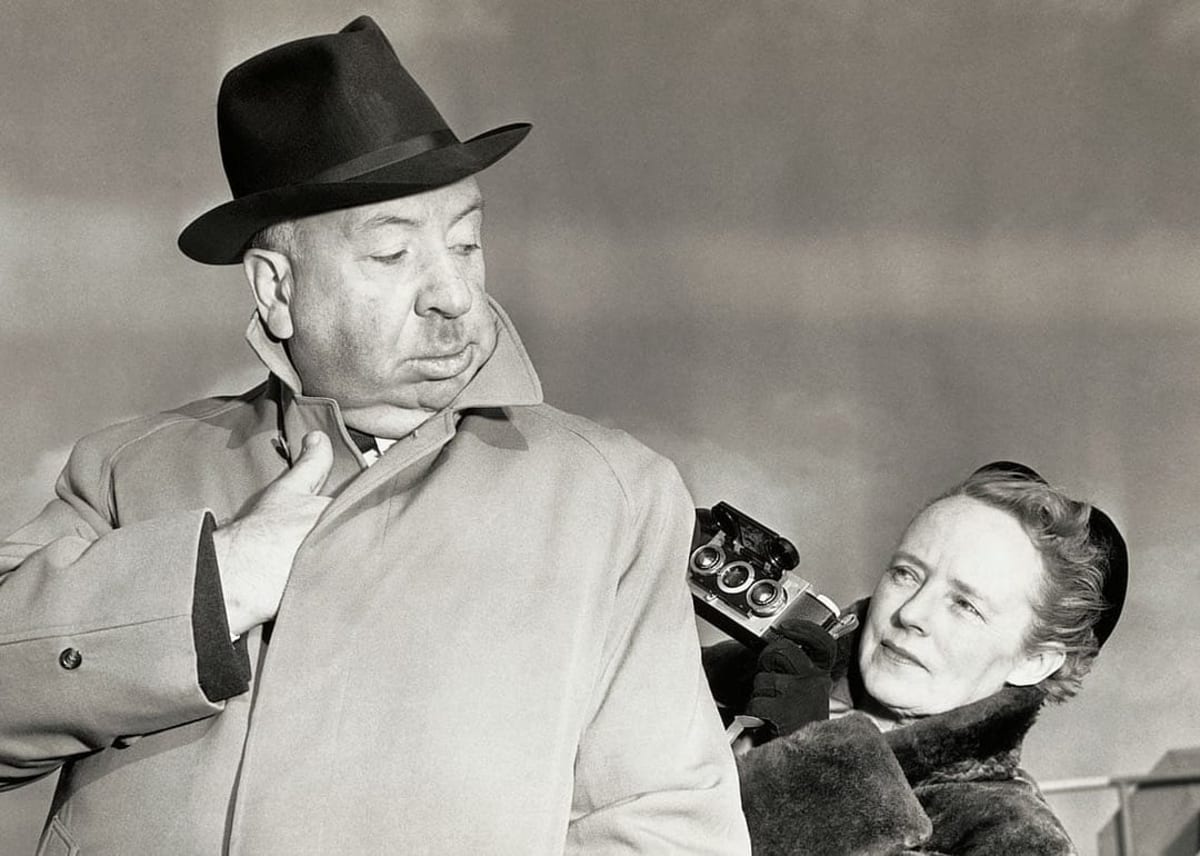
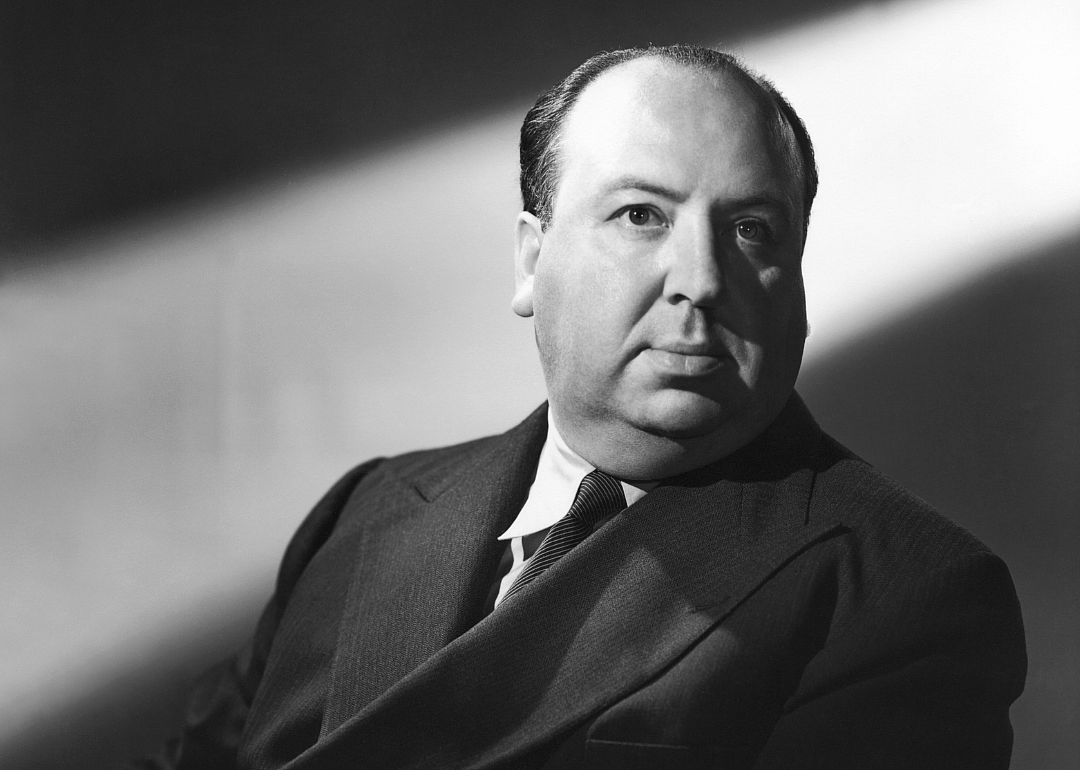
Alfred Hitchcock poses for a -Alfred Hitchcock: The life story you may not know
No one comes close to rivaling Sir Alfred Hitchcock in the cinematic world of thrills and suspense. For decades, he kept audiences at the edge of their seats, eyes glued to the screen as innocent men were unjustly accused of crimes, unwitting bystanders were entangled in nets of intrigue, and lovers grew suspicious of one another's intentions.
From humble roots in London, Hitchcock studied engineering and art and learned his way around a movie studio. His debut behind the camera as a director took place before movies had sound. He was a pioneer in cinematic techniques, perfecting the use of shadow and light and steering the camera in pans and close-ups to propel the plot. He popularized the use of what's called the dolly zoom in the film "Vertigo," having the camera zoom into a scene as it simultaneously dollies out (a shot devised by camera operator Irmin Roberts).
His storytelling was peerless, as he spun sagas of suspicion, paranoia, mistaken identity, and the fateful meeting of strangers in films. The best actors of the time brought his drama to life, and his influence to this day on the cinematic arts is immeasurable.
Stacker compiled a list of 25 facts about the life of Hitchcock that you may not know, drawing from specialized film channels, movie archives, historical accounts, critic reviews, and educational resources.
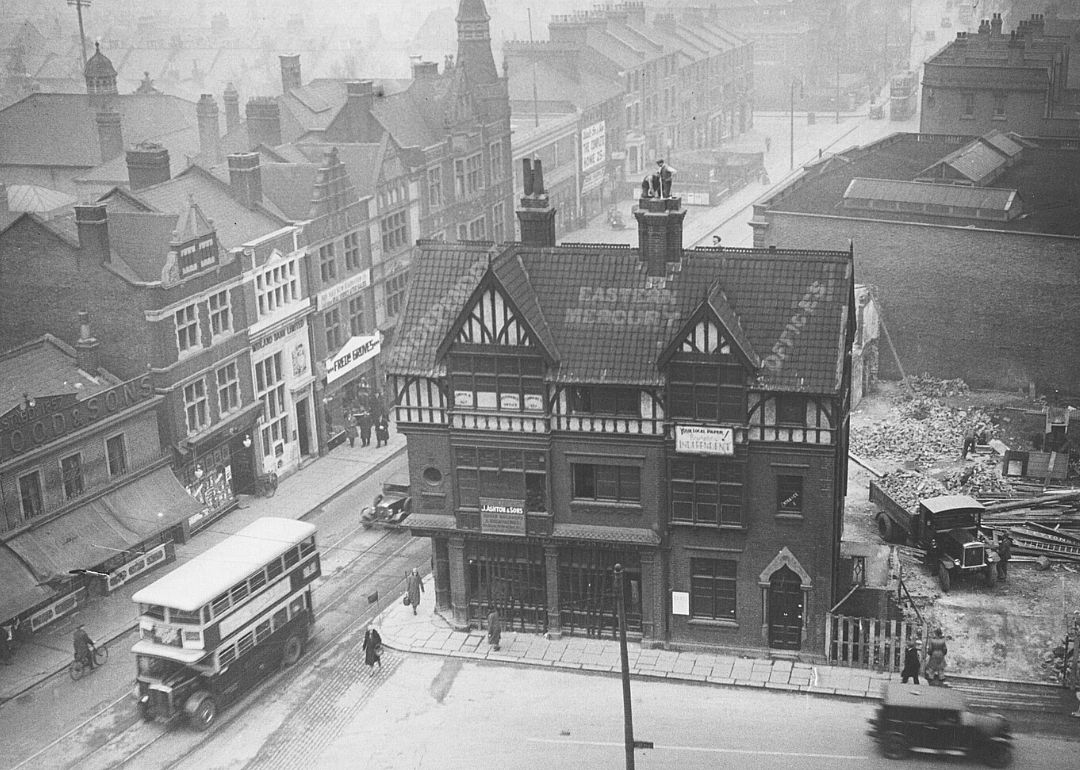
-1899: Born in England
Alfred Joseph Hitchcock was born on Aug. 13, 1899, in Leytonstone, England. He was the youngest of three children. His parents were of English and Irish descent, and his father was a greengrocer and poulterer who died when Hitchcock was 15.
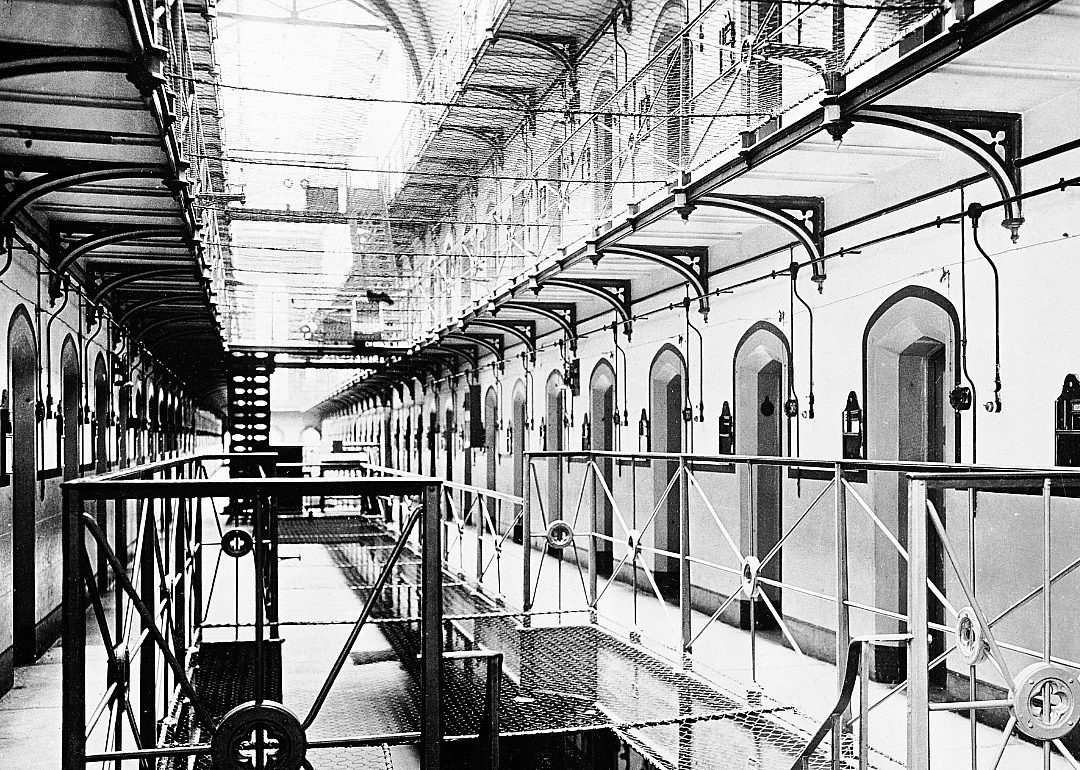
-1900s: Discipline and a lonely childhood
Hitchcock's parents were strict disciplinarians. Hitchcock often told the story of his father sending him to the local police station with a note, where an officer locked him in a cell for several minutes. He is also said to have had a lonely childhood, partly due to being overweight.
-1910s: Studied engineering and art
Hitchcock attended the Jesuit St. Ignatius College in London and London's School of Engineering and Navigation, and he also studied art at University of London. He got a job as a draftsman at W.T. Henley's Telegraph Works Co., where he wrote short stories for an in-house company magazine.
-1920–25: Making movies
Hitchcock started in filmmaking in 1920 when he got a job in London illustrating title cards for silent movies at Paramount Pictures' Famous Players-Lasky studio. He rose in the ranks and in 1922, he directed a short film, "No. 13/Mrs. Peabody," which was never finished. In 1925, he directed "The Pleasure Garden," his first full-length film about adultery and murder.
-1926: A lost film he was happy to lose
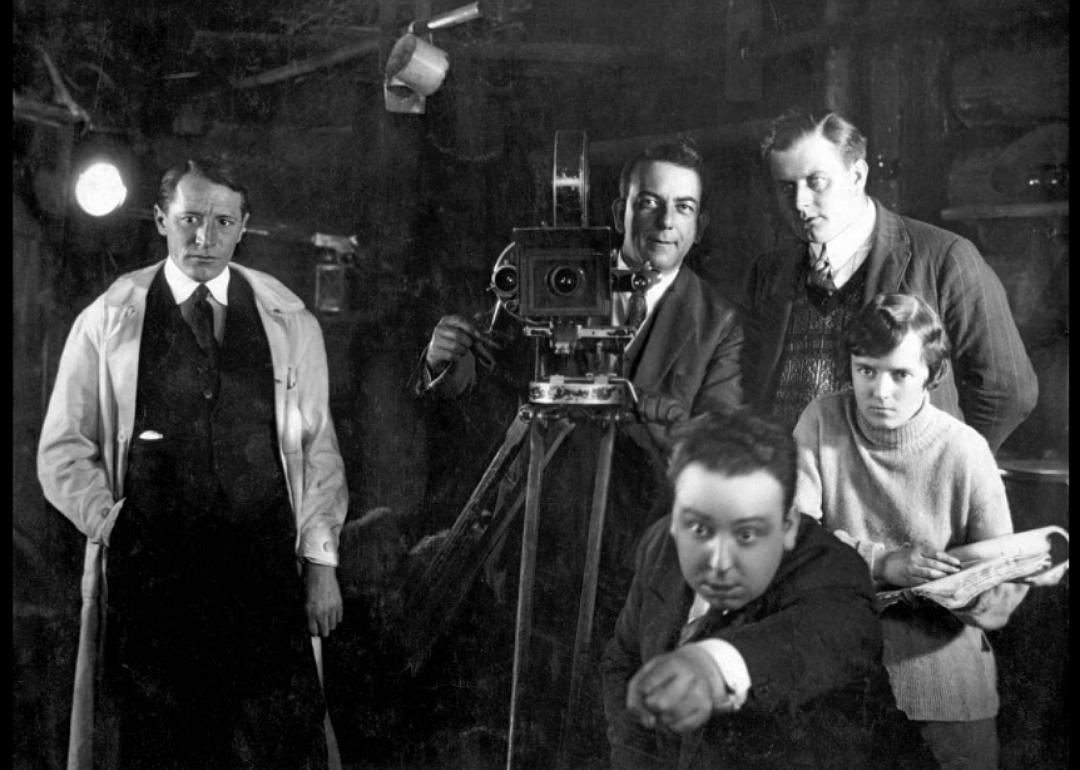
In 1926, Hitchcock released a silent melodrama titled "The Mountain Eagle/Fear o' God," set in Kentucky. All prints of the film have been lost, and little evidence remains except for a few production photos. Hitchcock didn't mind the loss, apparently, having told French director François Truffaut it was "a very bad movie."
-1926: Marries a close collaborator
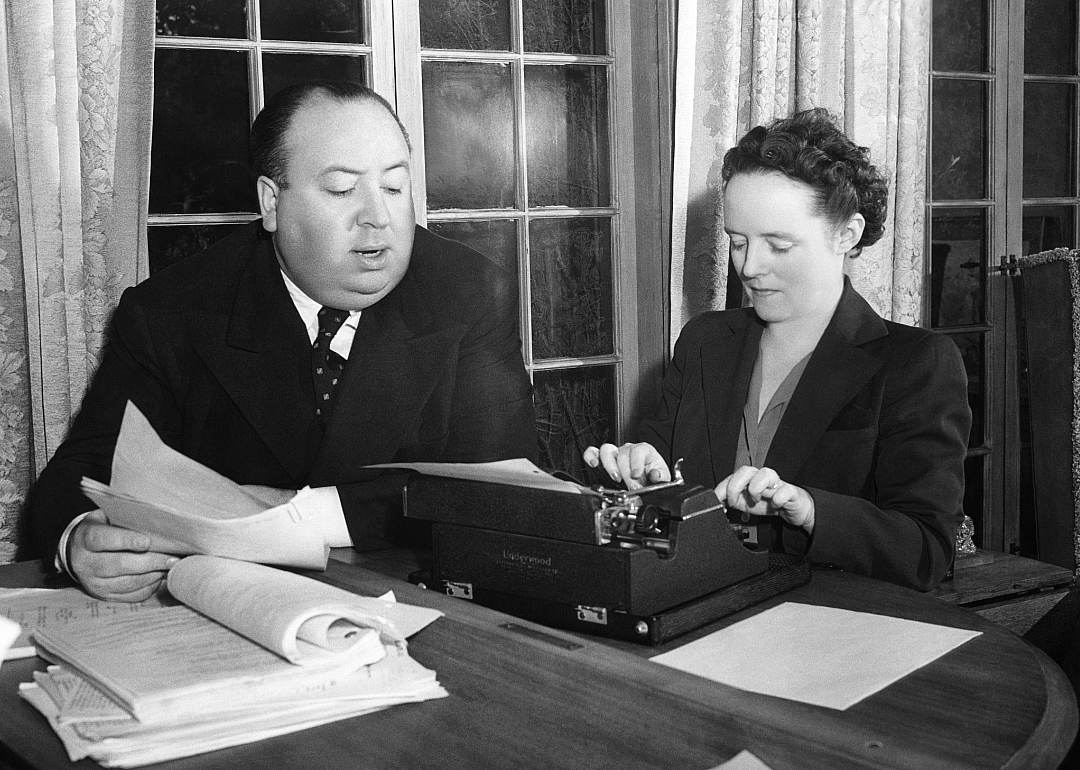
In 1926, Hitchcock married Alma Lucy Reville, who was a film editor at the Famous Players-Lasky studio, a subsidiary of Paramount Pictures. She became a close collaborator with her husband, and she worked as a script supervisor, writer, editor, casting consultant, and assistant director on many of his films. She is credited with catching an error in "Psycho" that everyone else had missed: after the shower scene, Janet Leigh's "dead" character could be seen moving, and the shot was fixed before release.
-1926: An early take on mistaken identity, an innocent accused
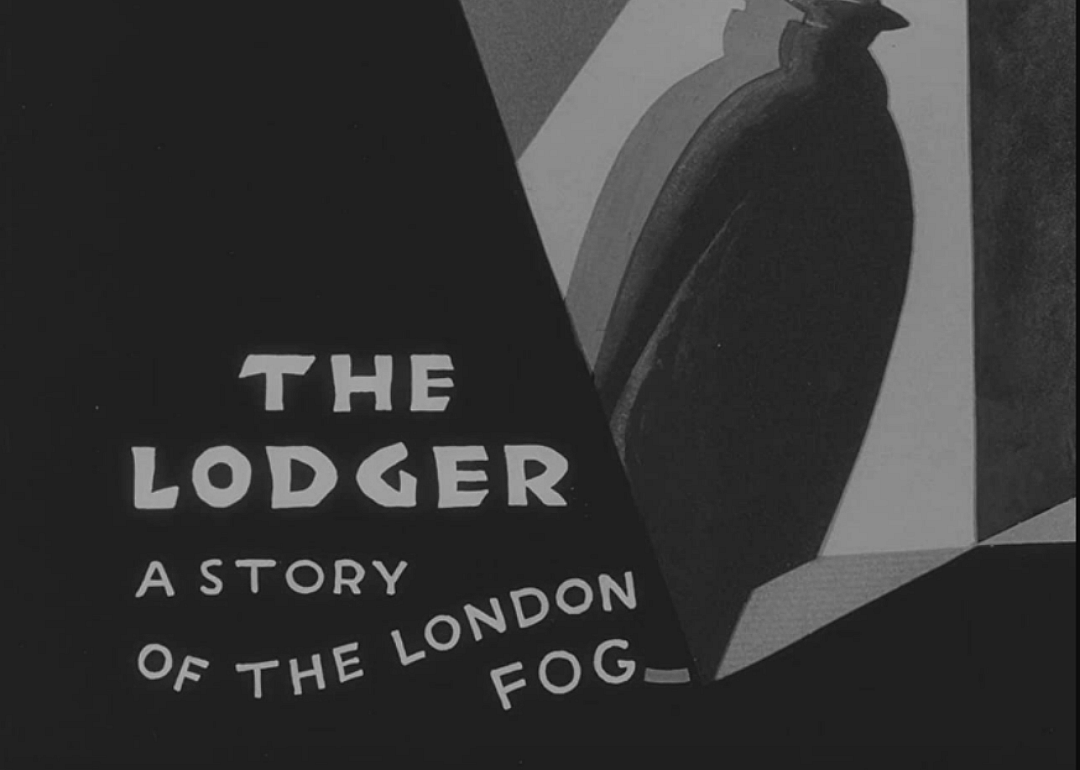
Hitchcock's breakthrough film in the silent era was "The Lodger," made in 1926. In a storyline that heralded those of his later films, the movie's plot revolved around an innocent man on the run after being wrongly suspected of being a Jack the Ripper-style serial killer known as The Avenger. It was also the first film in which Hitchcock made one of what would become his signature cameo appearances.
-1928: His daughter is born
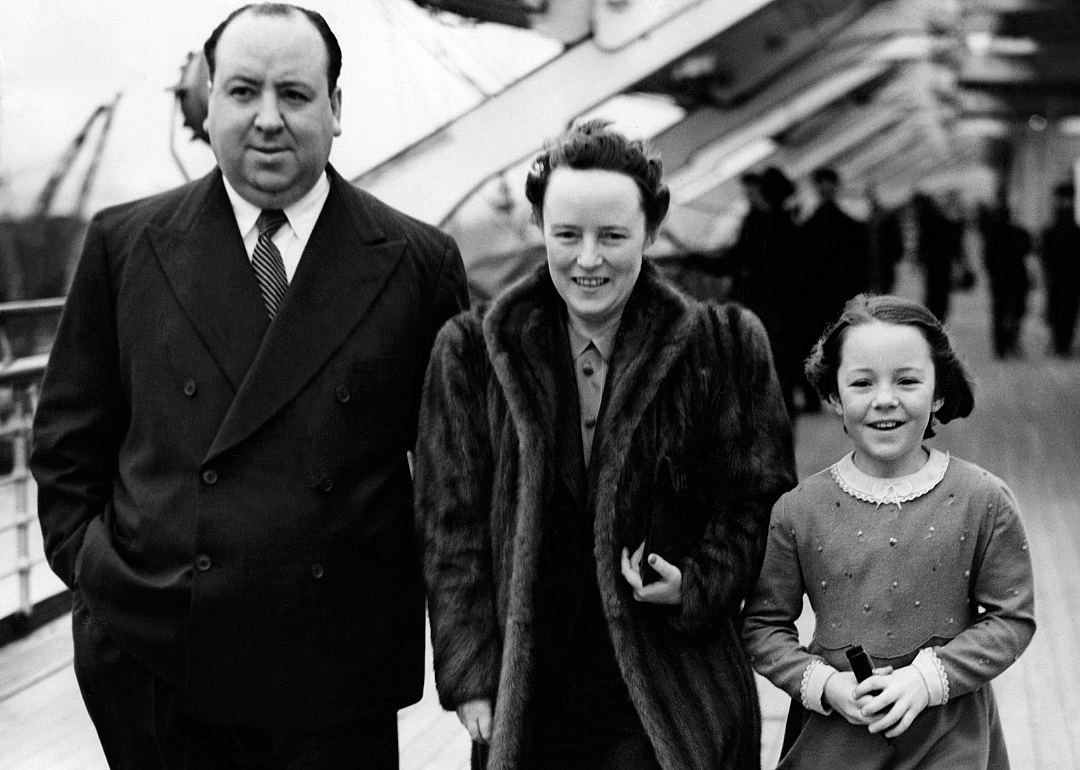
Hitchcock's only child, daughter Patricia Hitchcock O'Connell, was born in 1928. She grew up to become an actor, appearing in three of her father's films: "Stage Fright," "Strangers on a Train," and "Psycho."
-1929: Moving into sound
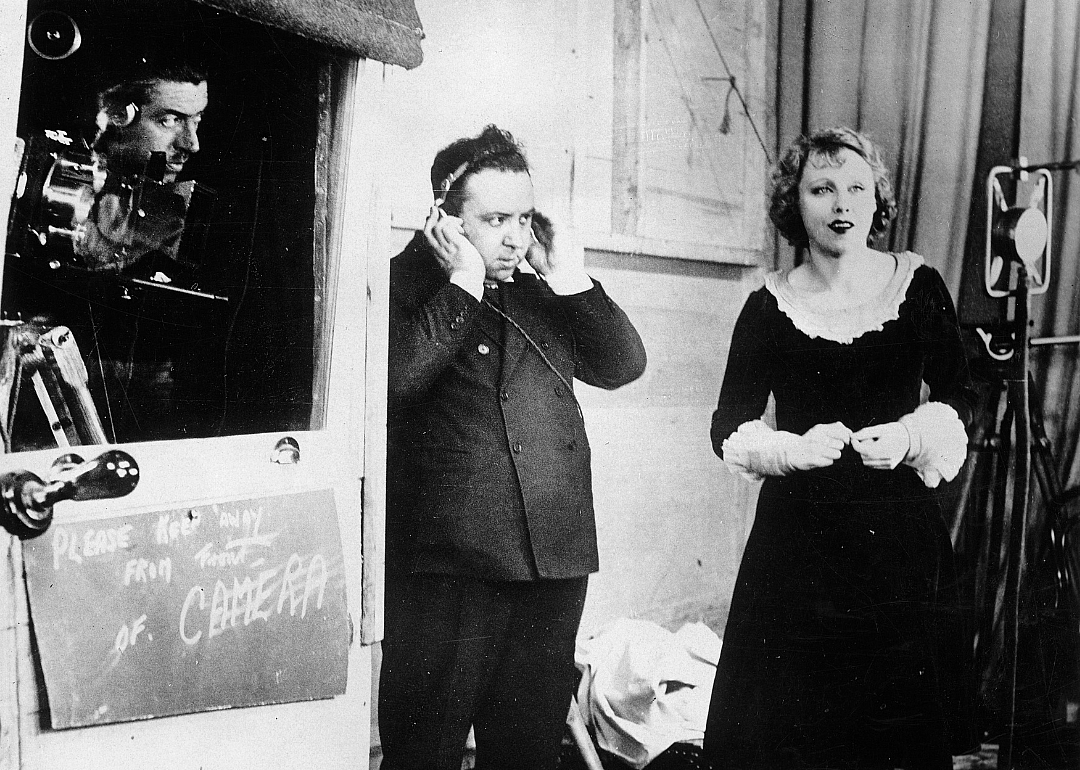
Hitchcock's first talking movie was 1929's "Blackmail," in which a woman fatally stabs an artist who tries to assault her. The director highlighted the character's fears by distorting the dialogue she can hear following the murder so that the only clear word is "knife." In 1930, he made "Murder!, an early use of recorded inner monologue, capturing the character's thoughts on the movie's soundtrack.
-1935: Perfecting the MacGuffin
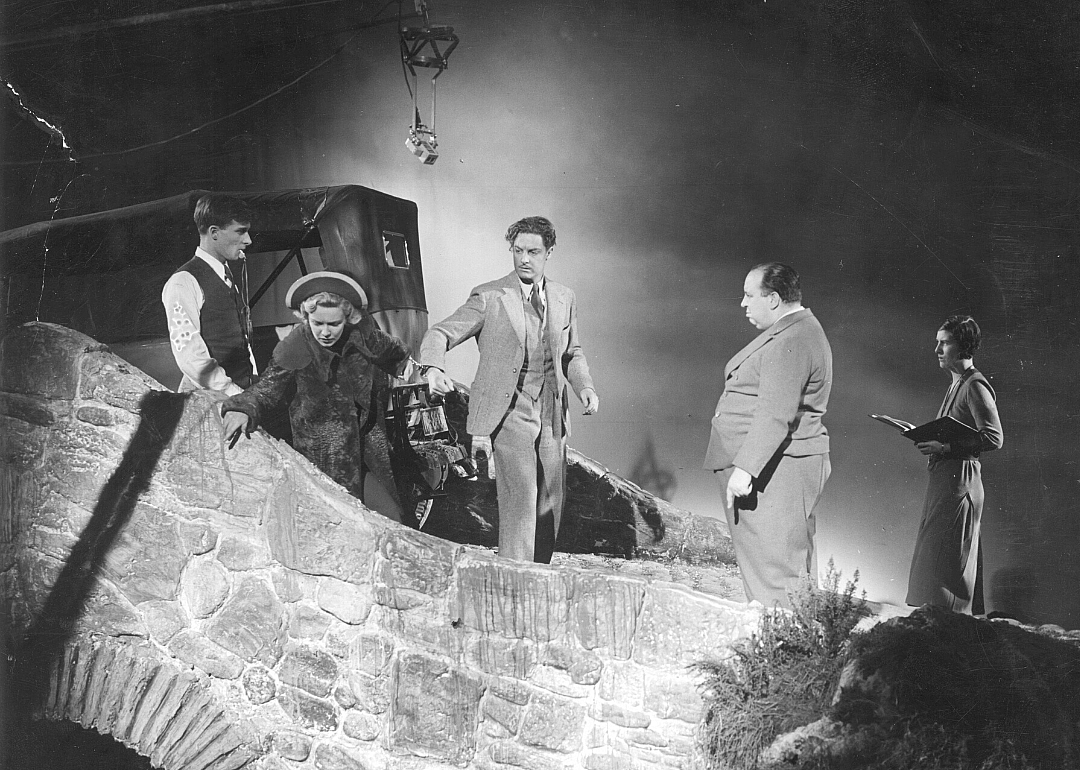
One of Hitchcock's most acclaimed films, "The 39 Steps," was made in 1935. It became a textbook example of Hitchcock's signature concept of a MacGuffin, a device or object that propels the plot and matters enormously to the characters, yet barely matters to the audience at all. In "The 39 Steps," the MacGuffin is the secret design for a silent airplane engine.
Advertisement
-1935: A joker on the set
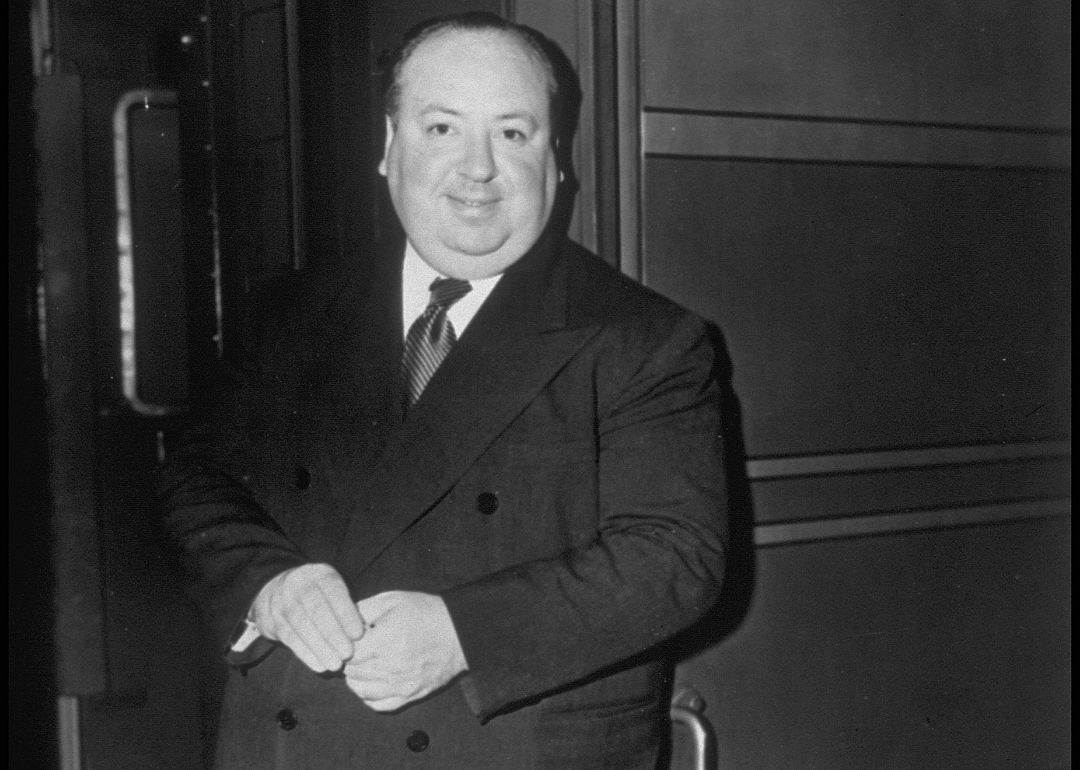
The director was known for pulling practical jokes on set, some as basic as hiding whoopee cushions under people's chairs. During the filming of "The 39 Steps," Hitchcock put the two lead actors together in handcuffs and pretended to have lost the key. Some of his jokes were considered quite unkind; he was rumored to have sent boxes of mice or spiders to people he knew had a great fear of them.
-1938: A hit on the rails
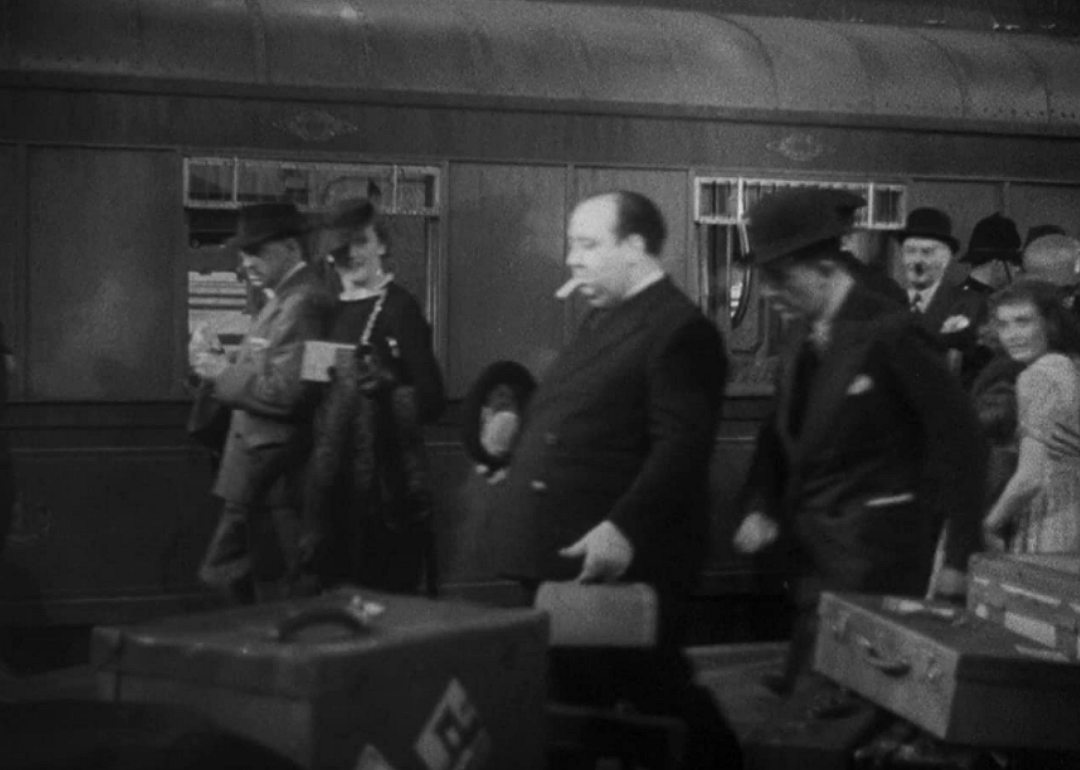
Hitchcock had a big success on his hands with "The Lady Vanishes" in 1938, about a mysterious disappearance on board a train. Look closely near the end for one of his signature cameo appearances: he played a man in a London rail station, walking along a train platform and smoking a cigarette.
-1940: A move to Hollywood
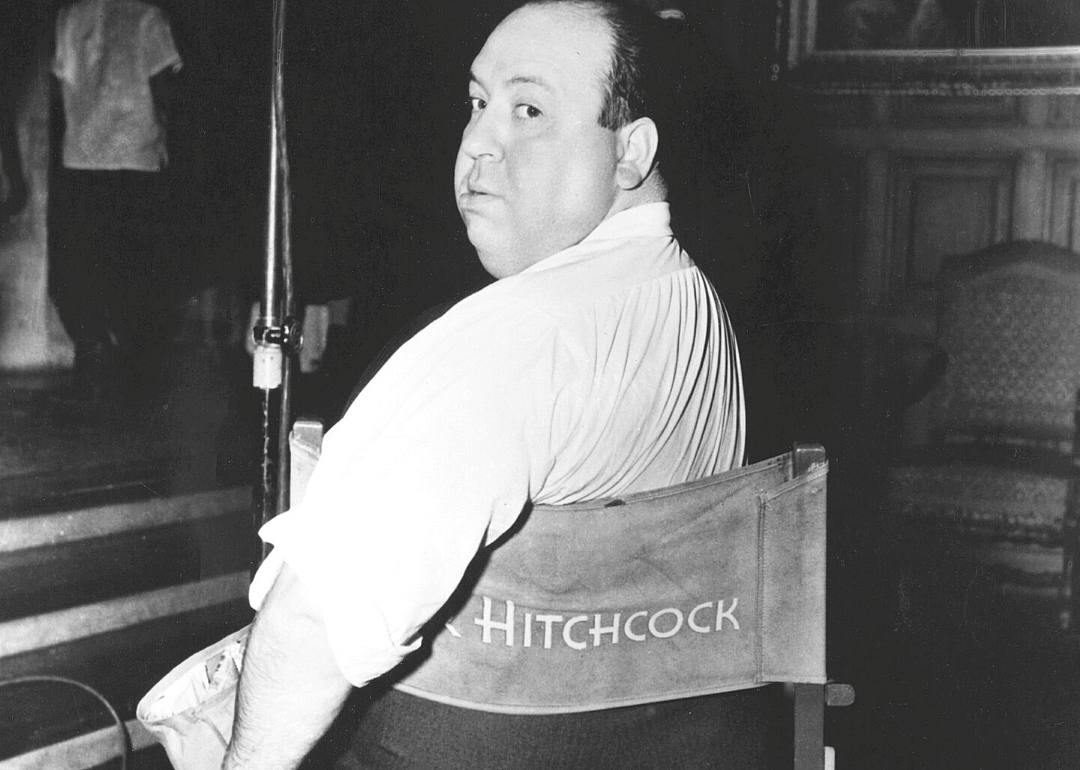
The year 1940 saw Hitchcock make his American debut after signing a seven-year contract with Hollywood producer David O. Selznick, with the gothic drama "Rebecca." It starred Joan Fontaine and Laurence Olivier. It was nominated for 11 Academy Awards and won Best Picture.
-1941: 'Suspicion' and a best actress Oscar
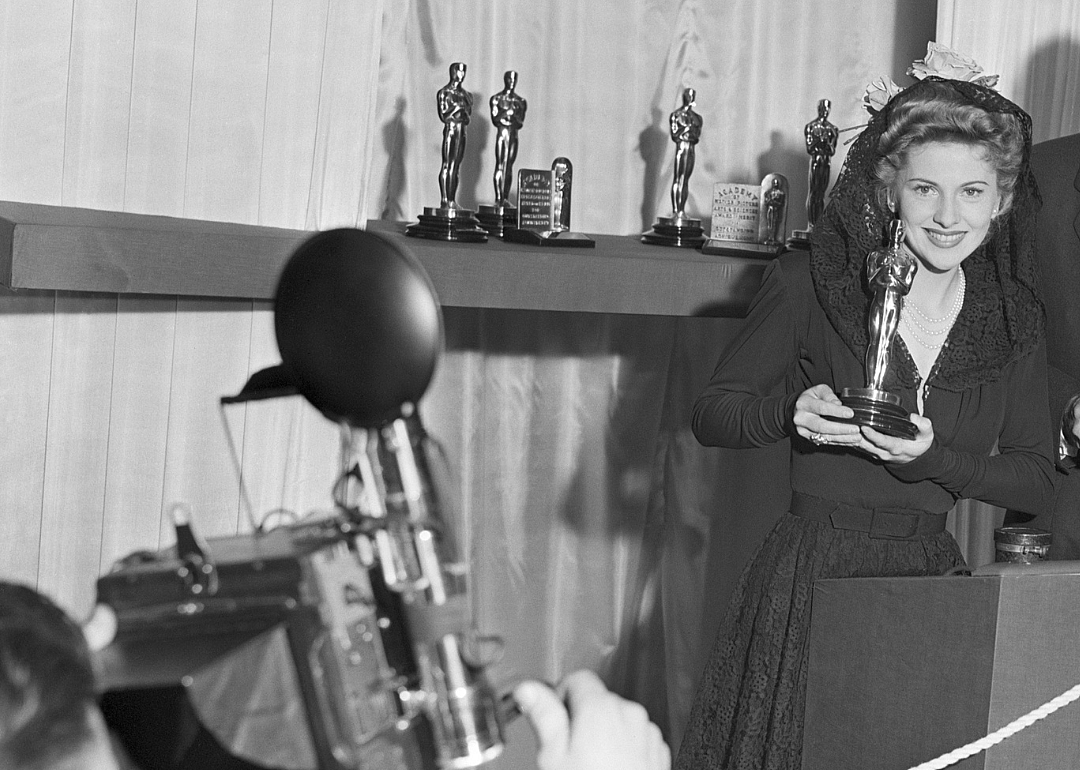
The 1941 film "Suspicion" by Hitchcock earned a Best Actress Oscar for Joan Fontaine, who appeared as a shy, sheltered heiress who falls under the seductive spell of Cary Grant. She would be the only actor ever to win an Academy Award for her work with the director.
-1940s: A comedy, Nazi saboteurs, and survivors on a boat
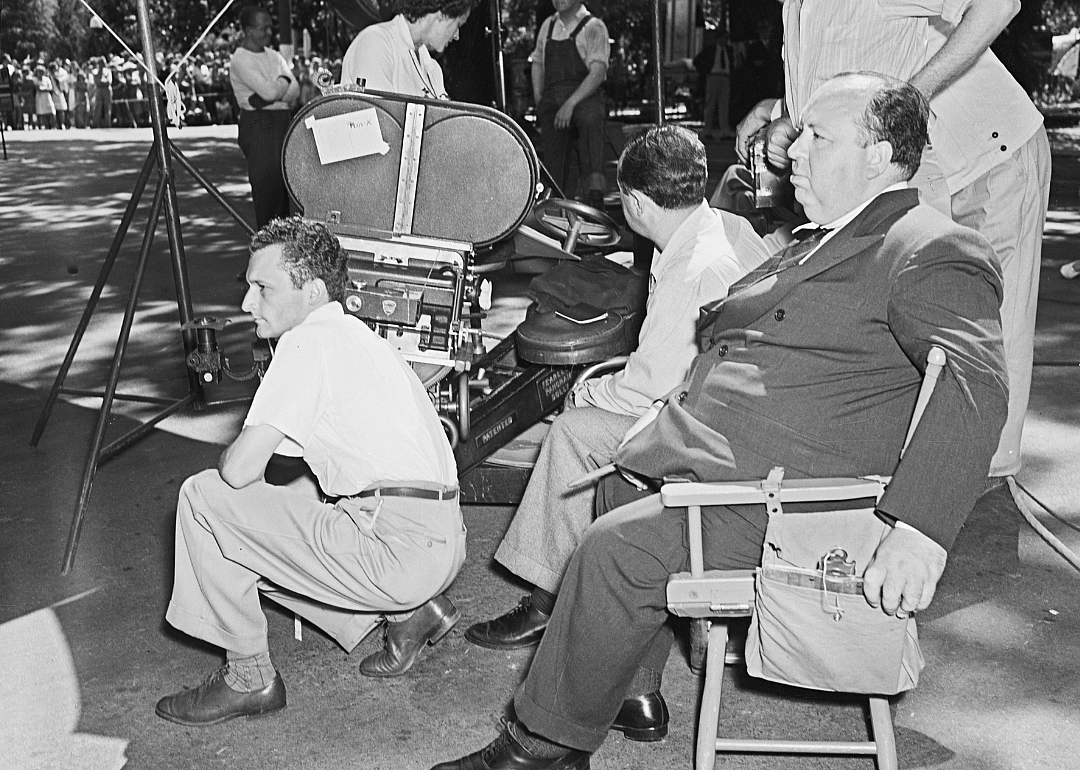
The early 1940s saw the director make his only American screwball comedy, "Mr. and Mrs. Smith," largely as a favor to Carole Lombard; "Saboteur," in which Robert Cummings played an aircraft plant worker wrongly accused of sabotage and hunted by Nazi sympathizers; and the dark "Shadow of a Doubt" about a suspected serial killer. In 1944, he directed "Lifeboat," in which a group of survivors (among them Tallulah Bankhead and William Bendix) are stranded following a U-boat attack. Hitchcock earned the second of his best director Oscar nominations for his work on the film.
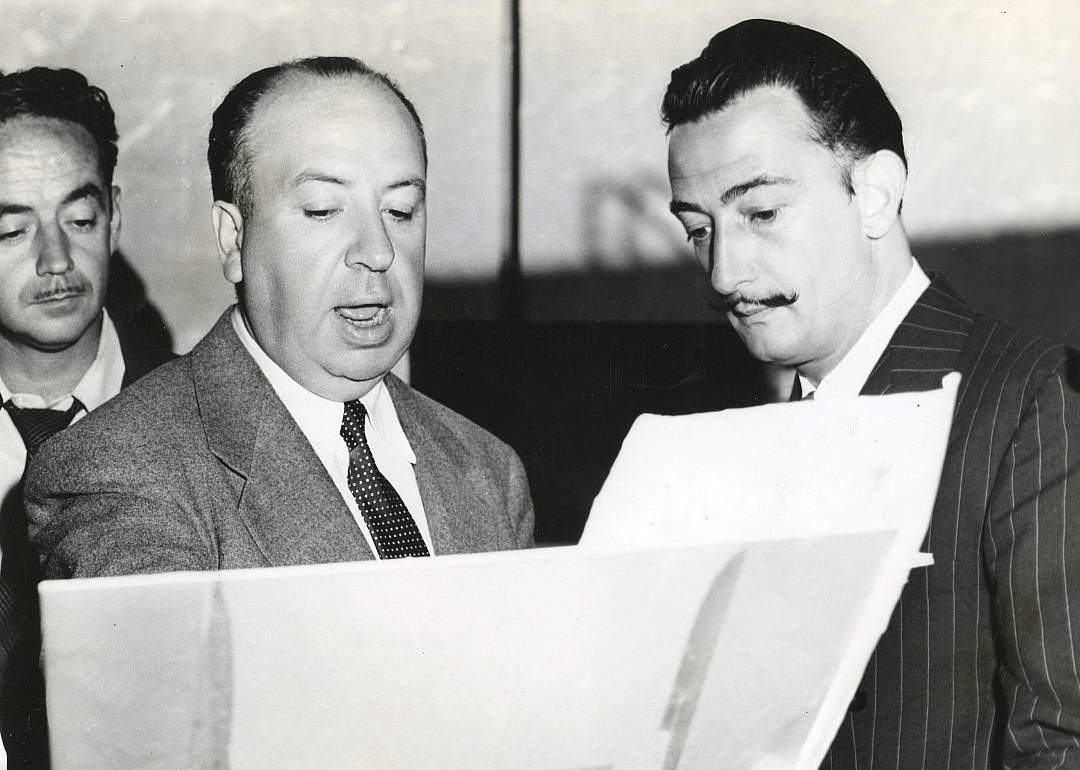
-1945: Some help from Salvador Dalí
During the filming of "Spellbound" in 1945, Hitchcock frequently clashed with producer David O. Selznick. The film starred Ingrid Bergman as a psychoanalyst who falls for an amnesiac, played by Gregory Peck, who may be a murderer. A well-known dream sequence in the film was designed by surrealist artist Salvador Dalí.
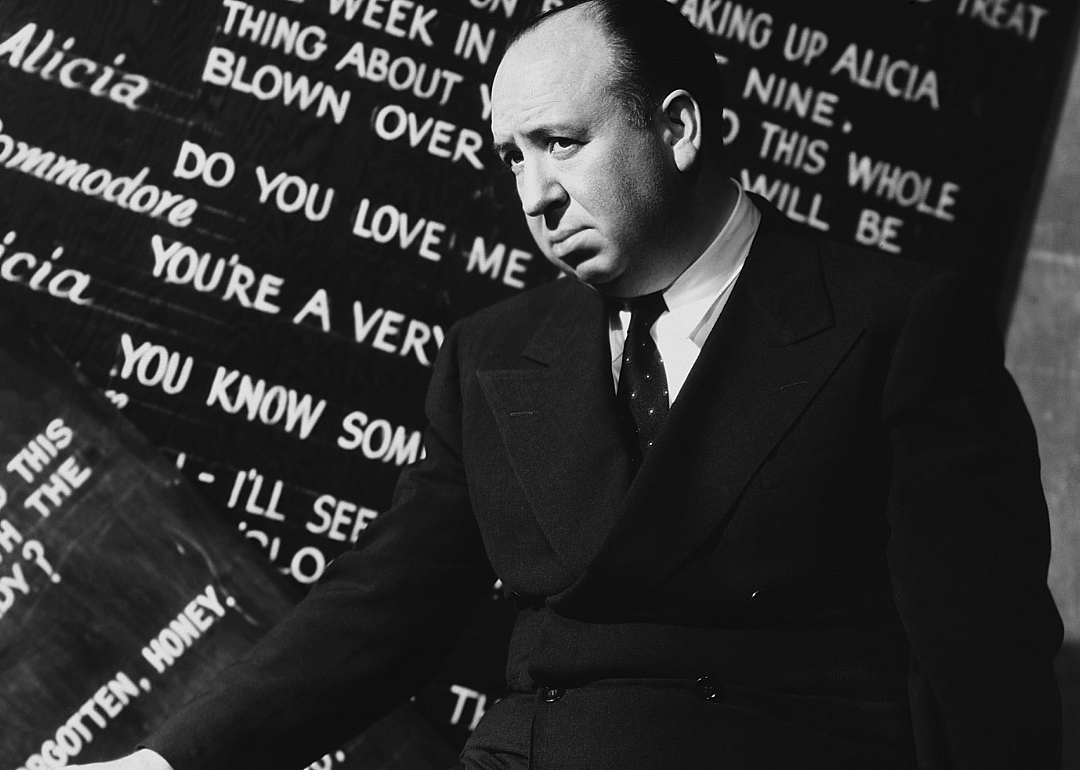
-1944-45: Helping the Allied war effort
During World War II, Hitchcock helped the Allied effort by making propaganda films. He shot two short French-language pieces for the British Ministry of Information about the French Resistance and helped compile footage of concentration camps for a documentary titled "Memory of the Camps." Shelved by the British government as postwar political priorities shifted, it was not released until 1985, when it aired on PBS's "Frontline."
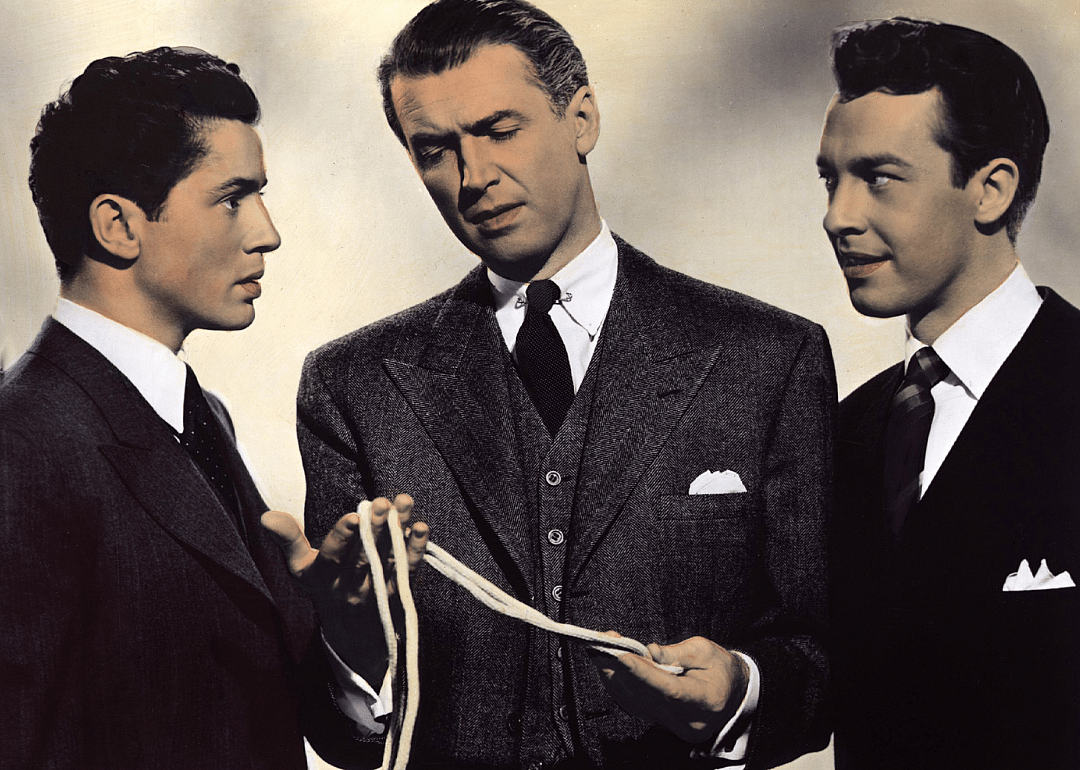
-1948: A switch to color
The first color film made by Hitchcock was "Rope" in 1948, in which what appears to be one continuous take in the movie is actually an editing feat joining about 10 long takes together. It was Hitchcock's first time working with James Stewart, who would become one of his most trusted leading men. In "Rope," Stewart plays a former prep-school housemaster who starts to suspect two of his old students of committing a murder.
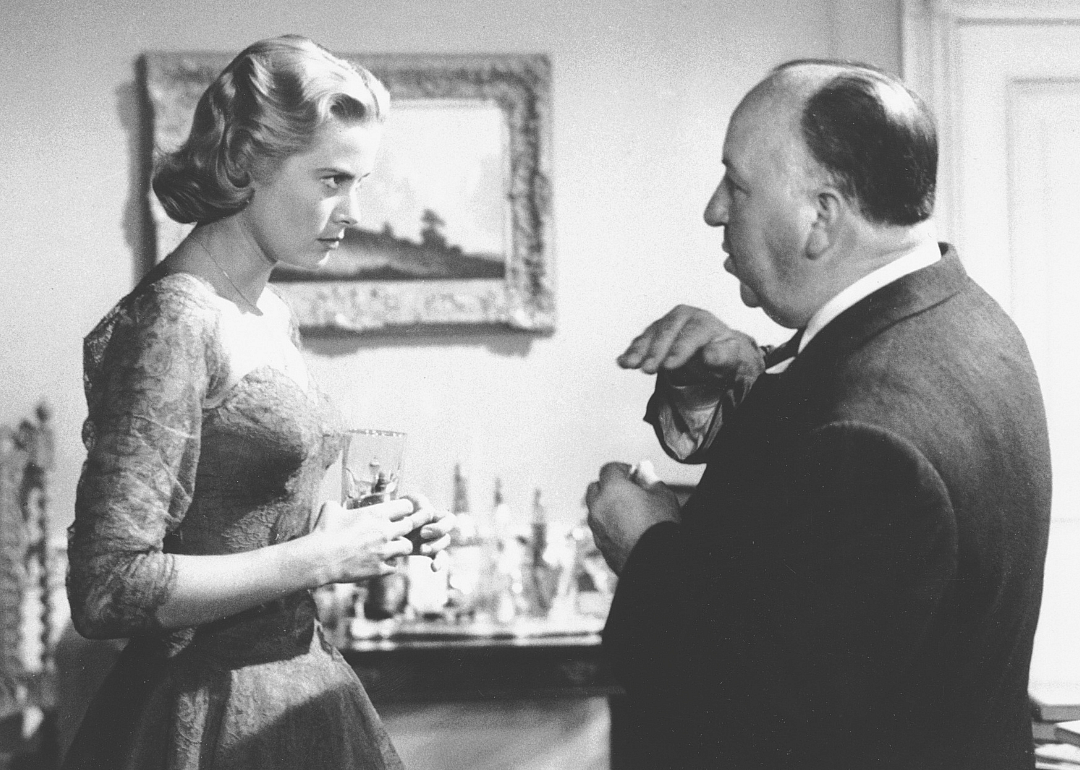
-1950s: Masterpieces with a soon-to-be princess
Hitchcock made a trio of masterpieces in the 1950s, all of them with Grace Kelly as the starring actor. "Dial M for Murder" and "Rear Window" were made in 1954, and "To Catch a Thief" a year later. That same year, 1955, Kelly met Prince Rainier of Monaco, whom she would marry to become princess of the tiny European principality.
-1955: An American and another comic step
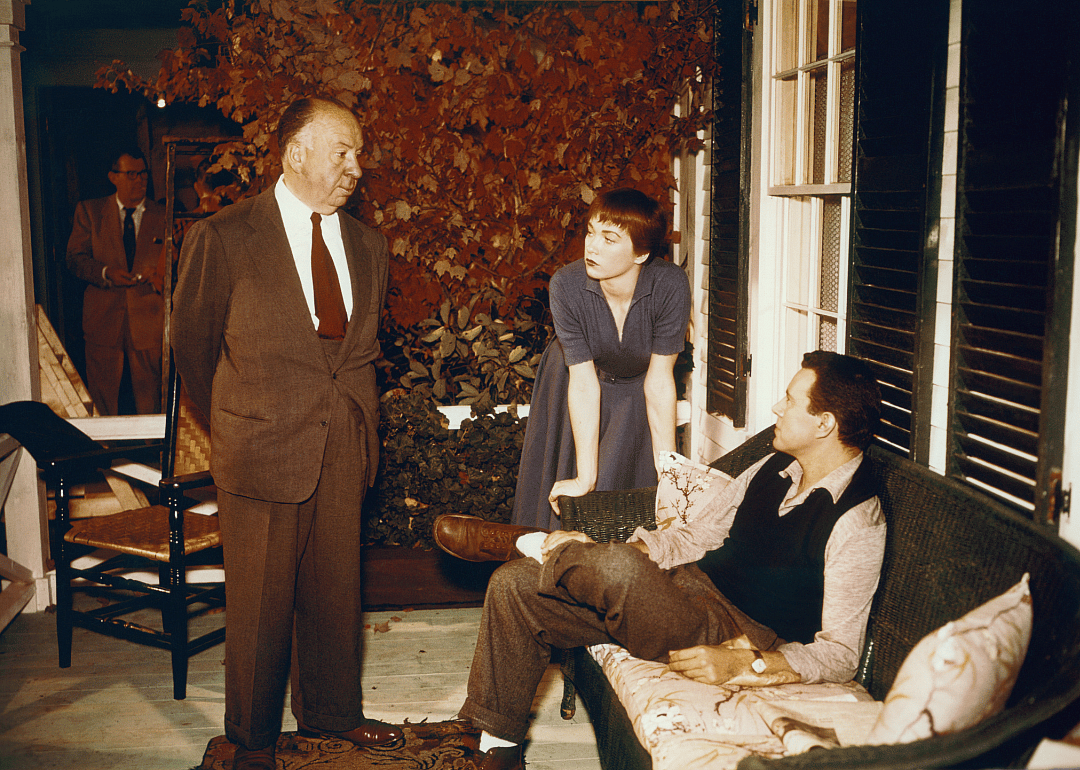
Maintaining his British citizenship, Hitchcock also became an American citizen in 1955. That same year, the king of suspense made the dark comedy, "The Trouble With Harry." It starred Shirley MacLaine in her film debut, alongside Jerry Mathers. Two years later, Mathers landed the title role of the television show "Leave It to Beaver."
-1955: A big move to the small screen
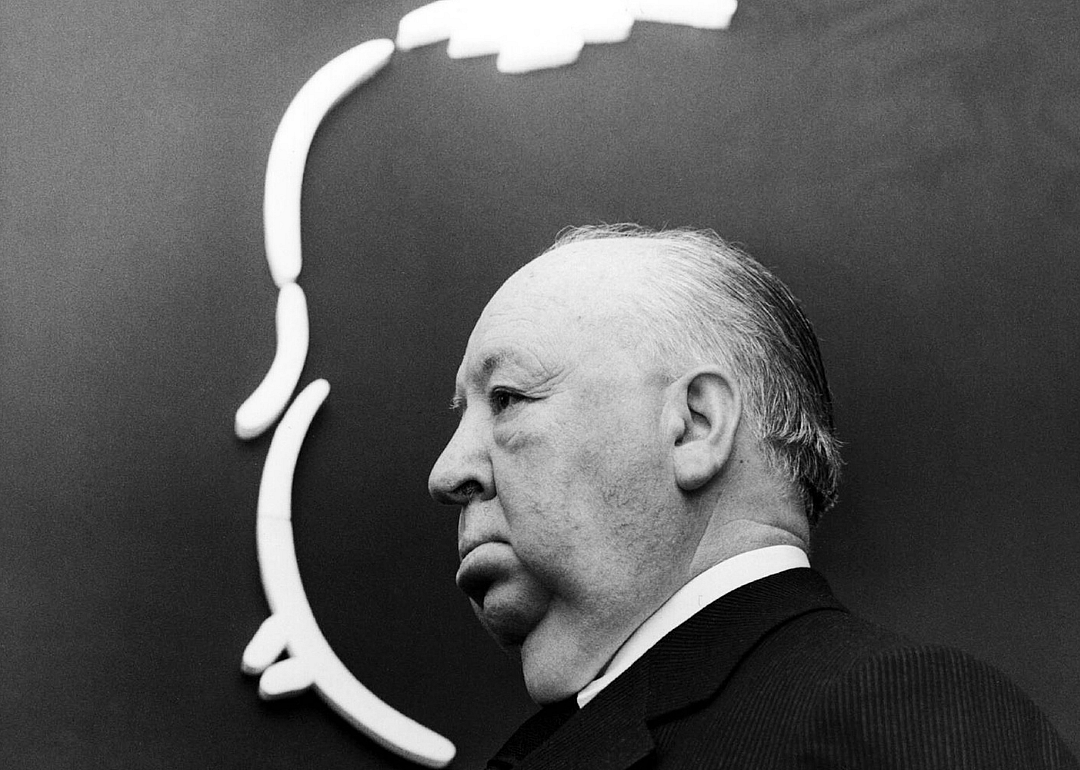
The director became an even bigger celebrity in 1955 when his series "Alfred Hitchcock Presents" made its debut on CBS television. Between CBS and NBC, the show and its successor, "The Alfred Hitchcock Hour," would air for a decade. A drawing of Hitchcock used in the opening sequence was his own creation. He began each show with the slightly ominous greeting, "Good evening."
-1958: 'Vertigo' is released
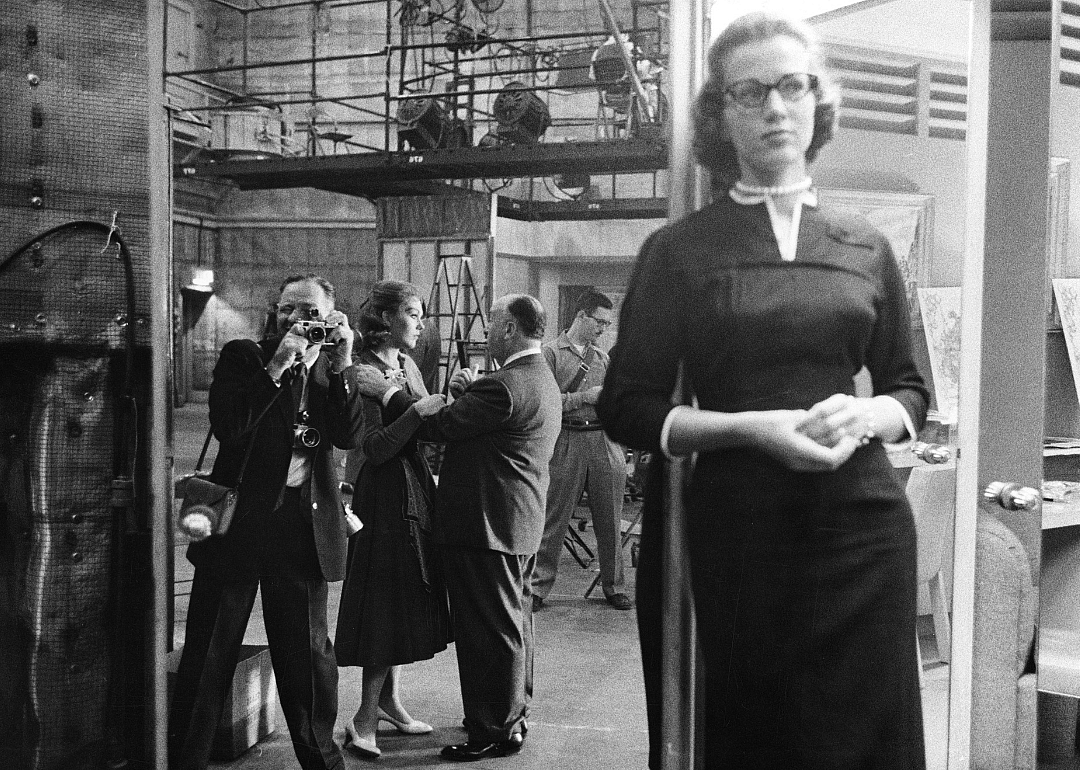
The 1958 movie "Vertigo" featured James Stewart as a retired police detective with a debilitating fear of heights; the film also starred Kim Novak. Neither critics nor audiences took to the thriller movie initially, and only in later years did it become recognized as one of his best works. In 2012, Sight and Sound's critics' poll named it the greatest film ever made, ending "Citizen Kane's" 50-year run at the top.
-1960: Preserving the secrets of 'Psycho'
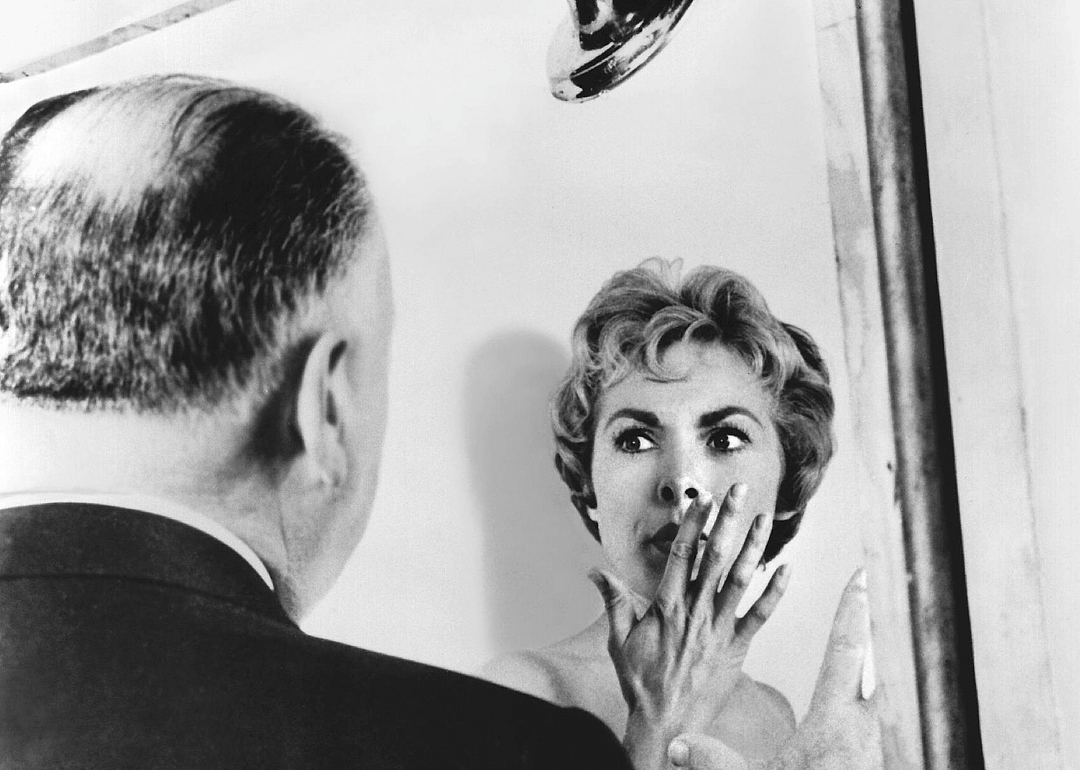
Hitchcock's most commercially successful movie was the 1960 shocker "Psycho." The director took extensive measures to keep the movie's plot and ending a secret. He made the cast and crew take oaths not to tell, and newspaper ads for the movie asked audiences not to spoil the ending for others. Theaters were also instructed not to admit anyone after the film had started. Hitchcock also reportedly fought with censors, later claiming he submitted graphic scenes of violence and nudity as a distraction so that he could keep more nuanced shots in the film.
-1968: The Irving G. Thalberg Memorial Award
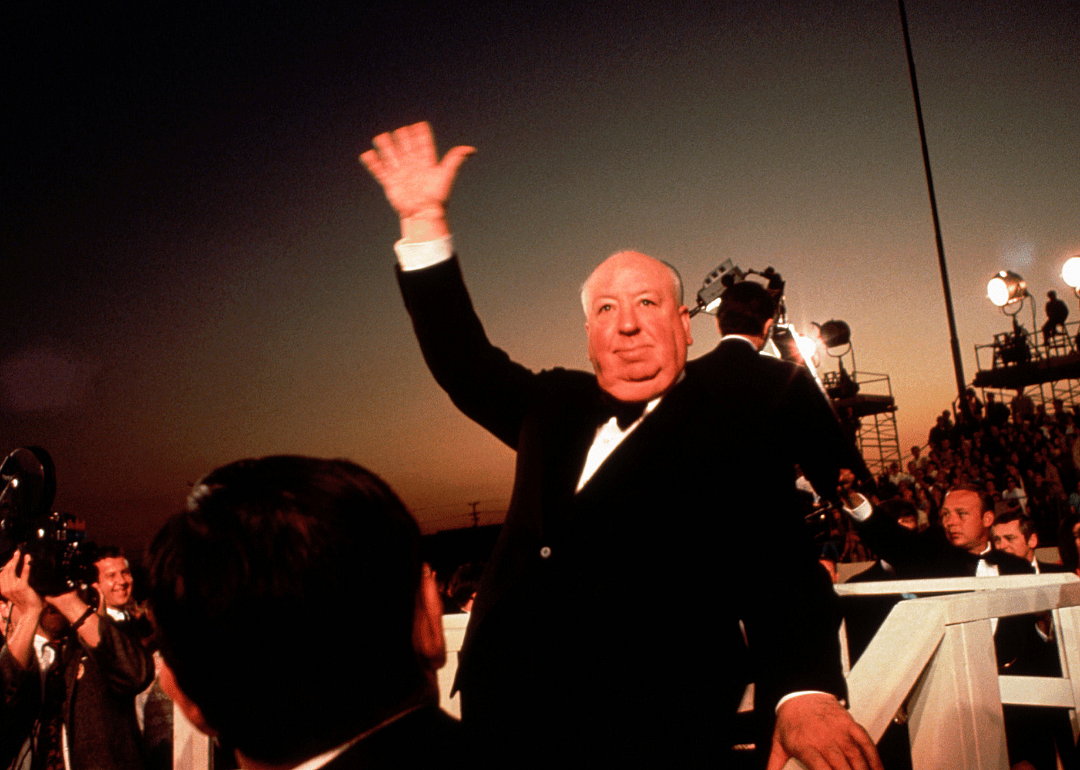
Throughout Hitchcock's career, his films received 46 Oscar nominations and six wins. He never won an Oscar for his directing, although he was nominated five times: for "Rebecca," "Lifeboat," "Spellbound," "Rear Window," and "Psycho." He was awarded the Academy's Irving G. Thalberg Memorial Award in 1968, and his famous acceptance speech consisted of the words: "Thank you … very much indeed." He was also knighted by Queen Elizabeth II in 1980.
-1980: Death at 80
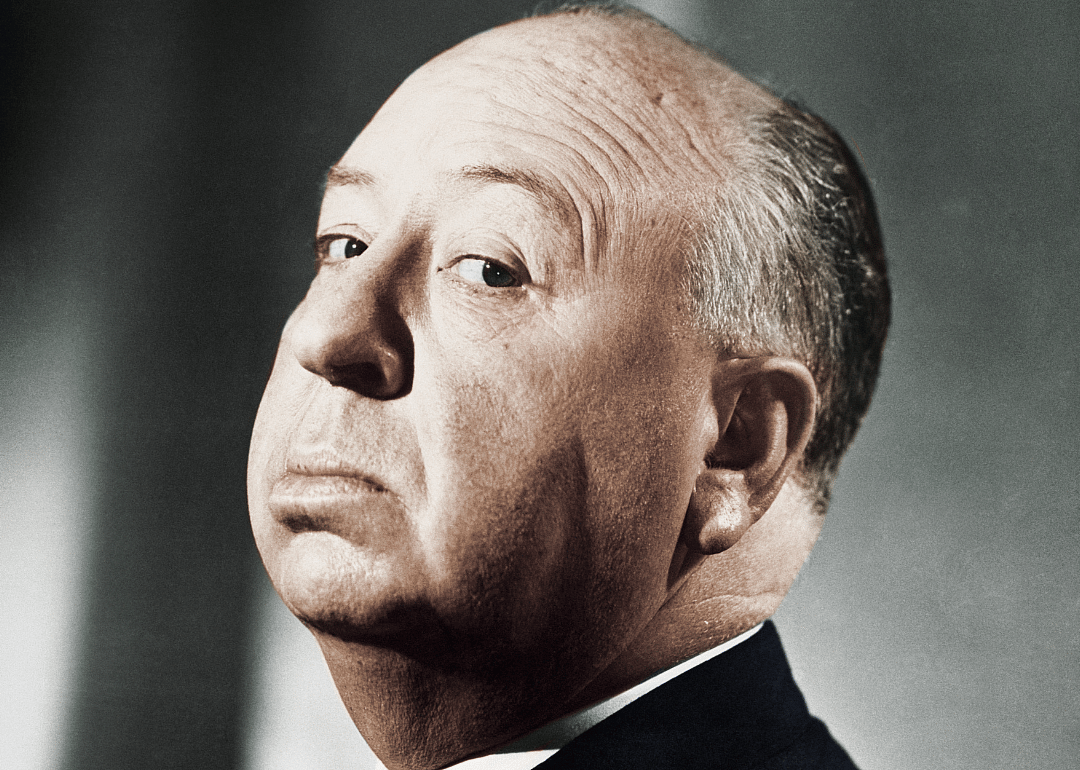
Hitchcock suffered kidney failure and died at home in Bel Air, Los Angeles, on April 29, 1980. He was 80 years old. His funeral was held in Beverly Hills at the Church of the Good Shepherd. His body was cremated, and his ashes were scattered in the Pacific Ocean.

Source: “AOL Entertainment”
