


Why Apocalyptic Shows and Books Feel Weirdly Comforting Right Now
Why Apocalyptic Shows and Books Feel Weirdly Comforting Right Now

Lisa MilbrandTue, September 29, 2026 at 8:00 PM UTC
0
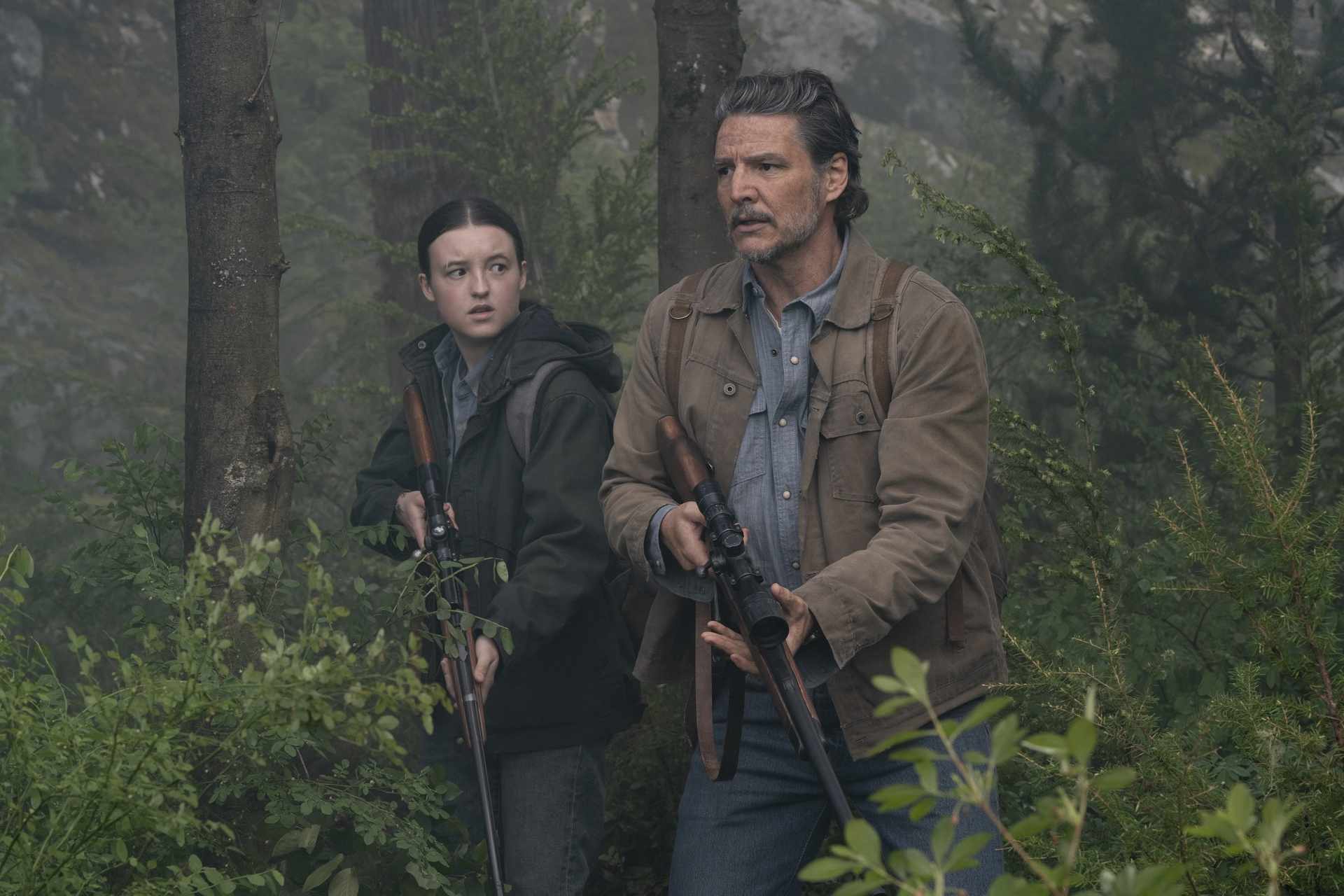
Credit: Photograph by Liane Hentscher/HBO
You can keep your housewives and bachelorettes—when I’m looking to unwind at the end of the day, give me a terrifying mushroom-laden zombie or a good old, clear-the-population pandemic instead. And I’m not the only one—apocalyptic fiction, from movies to TV shows to books, is hotter than ever.
But if we’re already dealing with all the actual bad news that’s out there (hello, apparent AI apocalypse), why would we actively seek out more doom and gloom when we’re trying to relax? It turns out there are plenty of big benefits to watching the world end, over and over again, from the comfort of your couch.
Why We Can’t Stop Thinking About (and Watching) the Apocalypse
No, we’re not all seeking out smart tips for what to pack in a bugout bag (maybe a crossbow, definitely a first aid kit).
But apocalyptic shows can enhance and exaggerate the issues we’re currently facing—and give us the opportunity to think twice about them. “Apocalyptic fiction can give us a sandbox of imagination to help us think about ways that we can improve our lives,” says psychologist Clay Routledge, who has written about and researched existential and apocalyptic themes. “The more collectively anxious the country is, the more we may need spaces to work through that.”
You can get a sense of that collective anxiety by looking at what’s in the zeitgeist, with apocalyptic pop culture accompanied by grandmacore hobbies and throwback favorites. “There’s a ton of nostalgia culturally because there’s a ton of anxiety,” Routledge says. “When people become anxious about the future, they tend to become more nostalgic—and they’re looking for guidance and inspiration to go forward.”
Why Apocalypse Stories Change
While apocalypse stories generally revolve around small communities of humans banding together to save what remains, what tends to change is the cause of the worldwide disruption—often related to the existential fear that’s keeping most of us up at night. For instance, the 1980s saw a spree of nuclear holocaust stories, pegged to Cold War fears.
These days, the trigger points tend along different lines. “Because we have advanced imaginations, we can simulate even worse versions of concerns that are more in the zeitgeist at a given time, whether we’re worried about pandemics, climate change, or machines rising up and killing us all,” Routledge says. (And yes, even the many, many versions of zombie apocalypse in recent pop culture count as a pandemic contagion.)
Advertisement
The trick is that it has to be big and bold, and not hit too close to home. “If we think about something that’s much worse, we make what we’re dealing with feel more manageable and not as dramatic,” Routledge says. “We would rather see Terminator traveling through time to kill our future leader than something more realistic.”
How Apocalyptic Fiction Can Help You Deal With Real-World Issues
Watching the end of the world happen over and over again can help put your problems in perspective. (Should I really be so bent out of shape that my house is getting cluttered again?) But there are other big gains you can get from reading or watching stories that offer this heightened sense of drama.
It lets you safely work through something you’re anxious about
Think of apocalyptic fiction as a safe space for you to explore your issues—and exposure therapy to help you face your fears in a more controlled way. “Apocalyptic thinking and storytelling lets people work through those anxieties and fears,” Routledge says. “It’s helping us problem solve and think through these issues, and develop coping mechanisms in a safe environment.”
It gives you more resilience in the face of adversity
Fun fact: Playing yourself through these worst-case scenarios can actually prep you better for real-life challenges—and Routledge says that research during the COVID pandemic showed this in spades. “People who regularly watched horror genre media—alien invasions, zombies—those people displayed greater psychological resilience during the pandemic than people who didn’t. This kind of scary play—exposing yourself to something in low, controlled doses—helps people grapple with their fears, and people who do that more frequently become more psychologically resilient.”
It gives you a bit of a feel-good rush
Think of these stories like a thrill ride for your emotions. “It seems kind of weird to say that you’d develop positive emotions from it, but if you watch movies and read books, you get a complex cocktail of emotions,” Routledge says. “When we watch these movies, we laugh, get excited—it’s an emotional roller coaster—and you’ll feel a positive effect from that.”
It may help you regain your faith in humanity
Apocalyptic stories may seem grim on their face, but they can actually be pretty uplifting as the remaining humans (or even just a human and a dog!) band together and find hope. “People want to do something about it—they want to see that even if the world’s largely destroyed, humans persevere,” Routledge says. “These stories showcase what’s good about humanity—and hopefully, help people work through their fears and make sure those things don’t happen.”
He points to Wall-E as an example of an apocalyptic story that really becomes uplifting. “It was a warning about AI taking over our lives, and humans becoming lazy. The humans fight back and decide we can figure out how to take care of ourselves again—and that’s inspiring.”
on Real Simple
Source: “AOL Entertainment”
